
Educational portal · Clinical decisions are made only by licensed physicians in Japan

Access cutting-edgecancer immunotherapytreatments in Japan

Japan Medical Assist helps international cancer patients and their families reach Japan’s specialist clinics for advanced immunotherapy — preparing medical records, arranging expert consultations, and coordinating treatment and travel from start to finish.

Free and confidential — no obligation. Every case is reviewed by licensed physicians in Japan.

Patient receiving supervised care in a modern treatment suite
Patient-first review

Every clinical decision remains with independent, licensed physicians.

Japanese scientist using a microscope in a clinical laboratory
Japan-based expertise
Specialized clinic network
Advanced protocols
Innovative clinical pathways
Personalized care
Case-specific evaluation
Coordinated journey
From records to follow-up
Complex case navigation

Advanced & recurrent cancer cases

When the standard pathway is no longer straightforward, start with structured information and a case-specific physician review.

Recurrence
Metastatic Disease
Stage IV Cancer
Seeking Second Opinion
Get a free case review
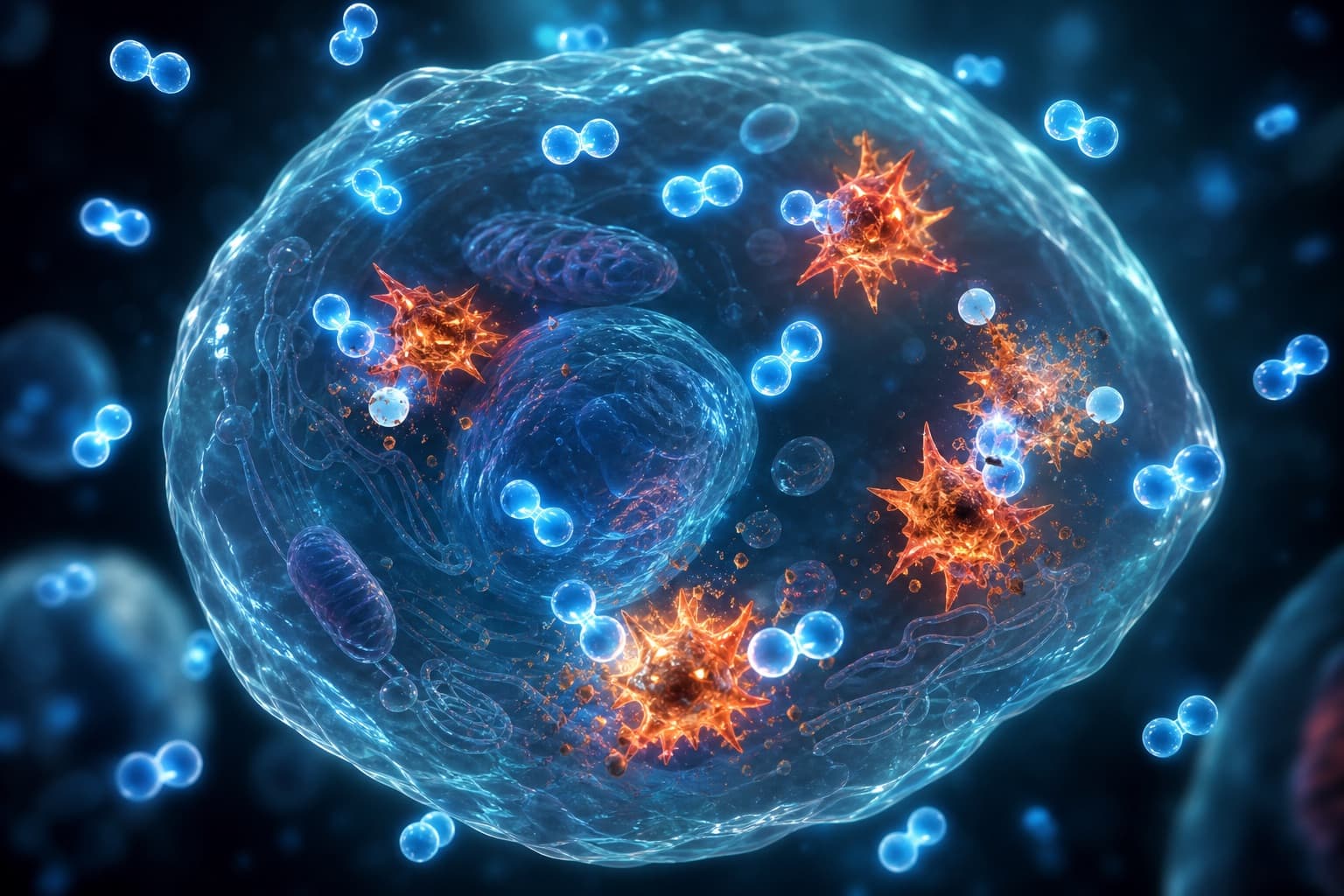
Scientific visualization representing cellular immune activity

Eligibility varies by diagnosis, treatment history, biomarkers, current health and the evaluating clinic’s protocols.

Explore advanced treatment approaches

Explore the range of innovative immunotherapies and synergistic treatments accessible through our network. Each protocol is evaluated by specialized doctors based on individual cases.

Antigen education

Personalized vaccine platforms

Vaccines that help your immune system recognize and respond to cancer cells.
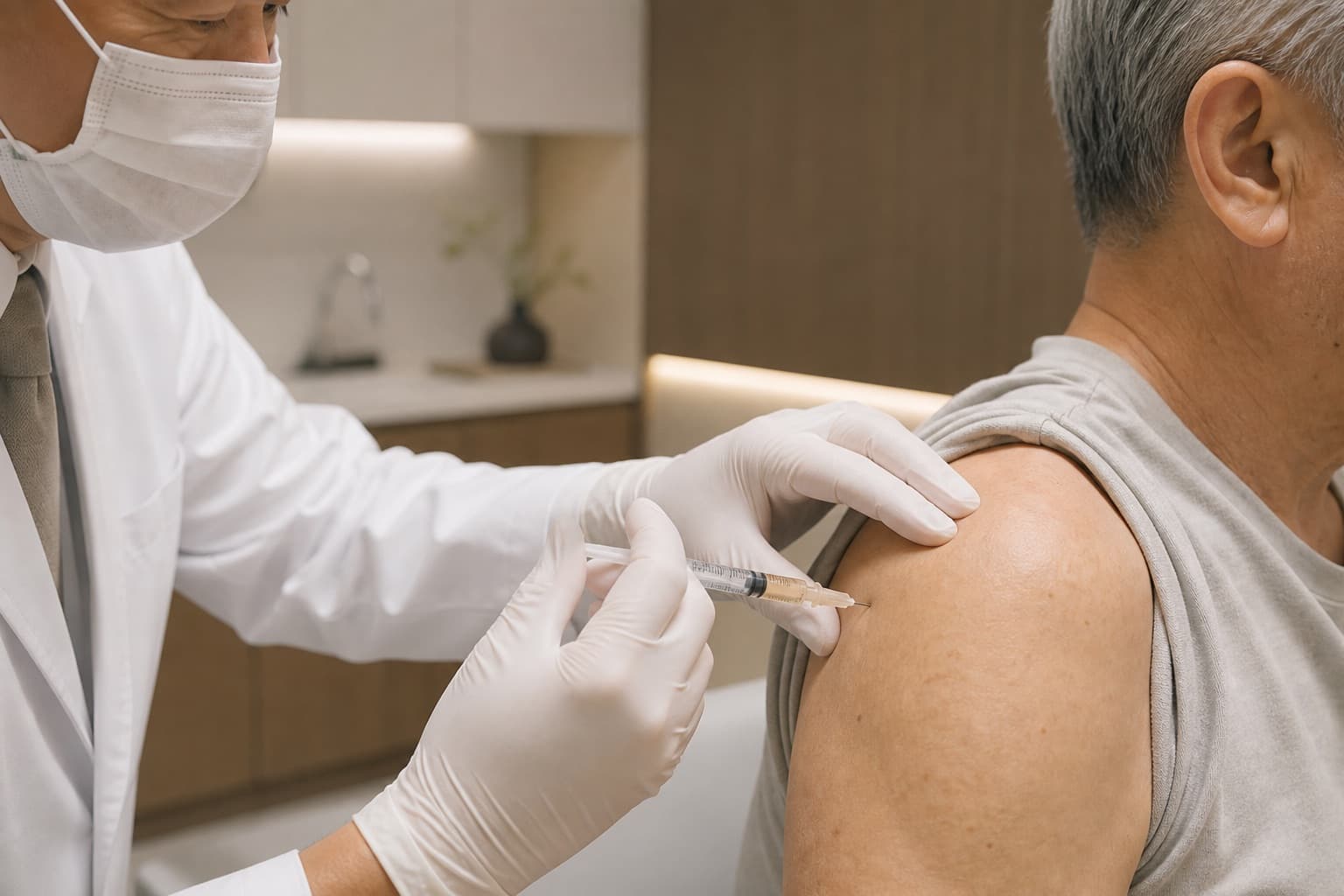
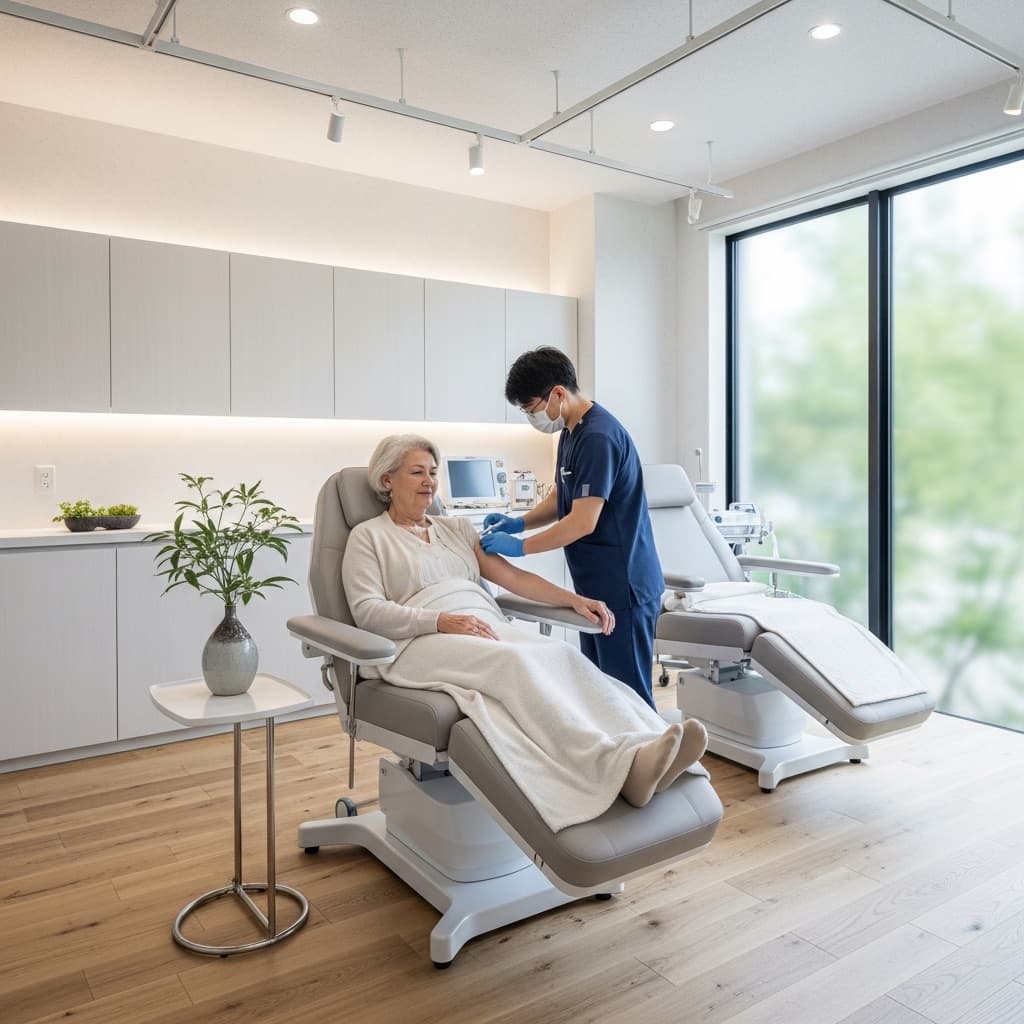
Physician administering a vaccine-style injection
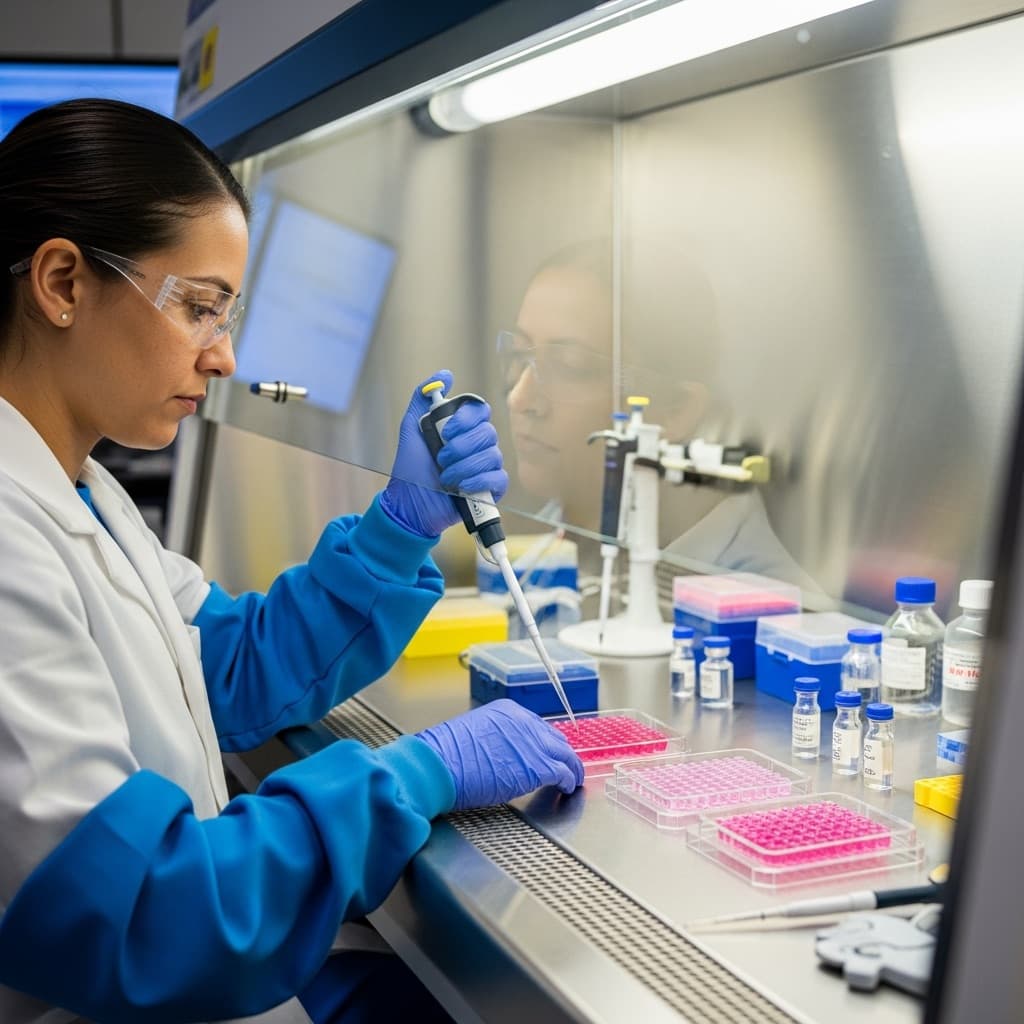
Laboratory pipette work for cellular preparation

Autologous Cancer Vaccine

Created using the patient’s own surgically removed tumor tissue to generate a highly specific immune response against their exact cancer profile.

Multivalent Dendritic Cell Vaccine

An advanced vaccine utilizing multiple cancer antigens simultaneously, reducing the chance of cancer cells escaping immune detection.

WT1 Dendritic Cell Vaccine

Utilizes dendritic cells cultured with WT1 peptides to train the immune system to specifically target and attack cancer cells expressing the WT1 antigen.

Molecularly Targeted Vaccine

Customized vaccine therapy targeting specific genetic mutations or molecular profiles unique to the patient’s tumor.

Immunoadjuvant Therapy

Substances administered alongside vaccines or cell therapies to enhance the overall immune response and overcome tumor-induced immune suppression.
Cell expansion

Activated immune-cell therapies

Treatments that prepare and strengthen your own immune cells before returning them to your body.

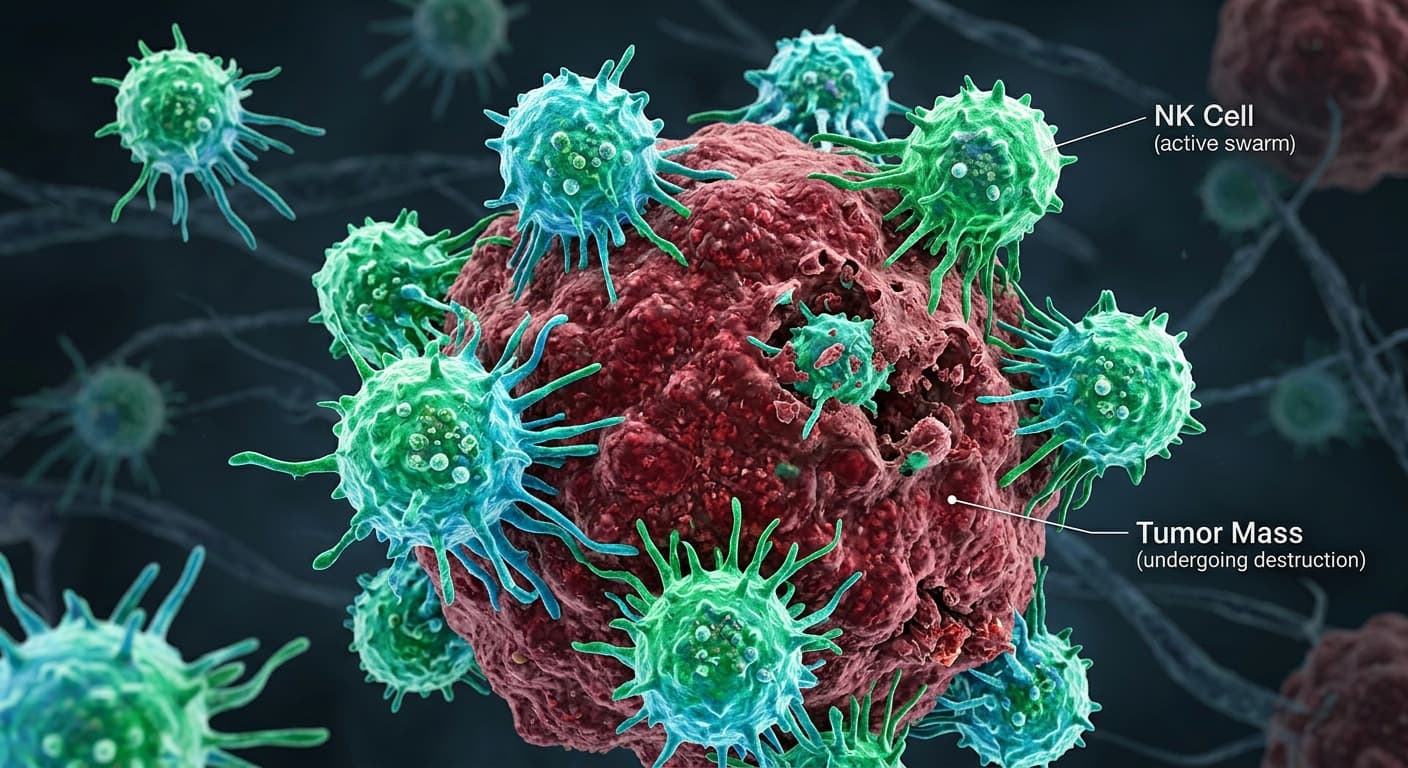
3D NK-cell visualization attacking a tumor mass
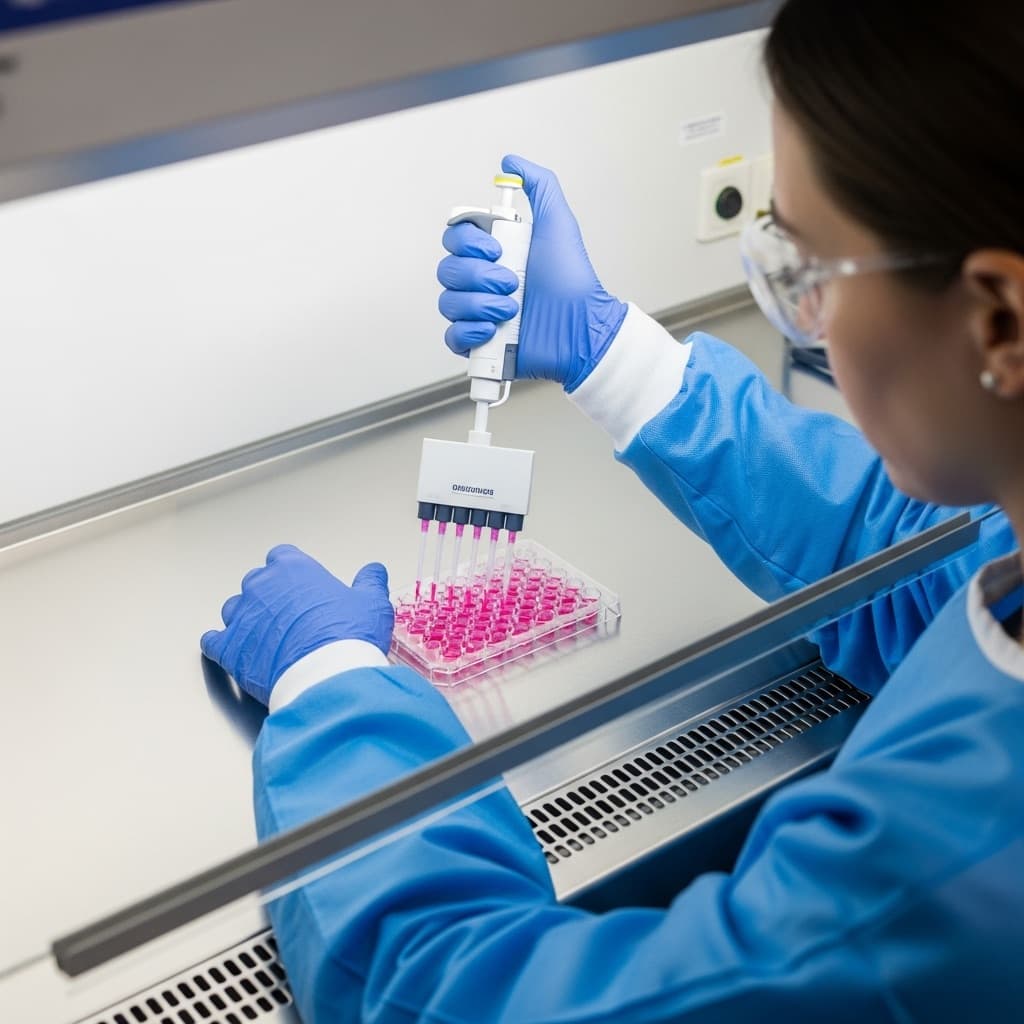
Specialist working inside a biosafety cabinet

Activated NK Cell Therapy

Focuses on cultivating Natural Killer cells, the immune system’s first responders, enhancing their innate ability to destroy tumor cells without prior sensitization.

Active NK/NKT/γδT Cell Therapy

A comprehensive cell therapy that simultaneously activates multiple types of specialized immune cells for a multi-pronged attack.

Second Generation GcMAF

Macrophage activation therapy aimed at reversing tumor-induced immune suppression by activating macrophages to recognize and engulf cancer cells.

Selective pressure

Targeted & light-guided approaches

Approaches that aim at cancer cells more precisely, using targeted drugs or activation by light, sound, and electric fields.

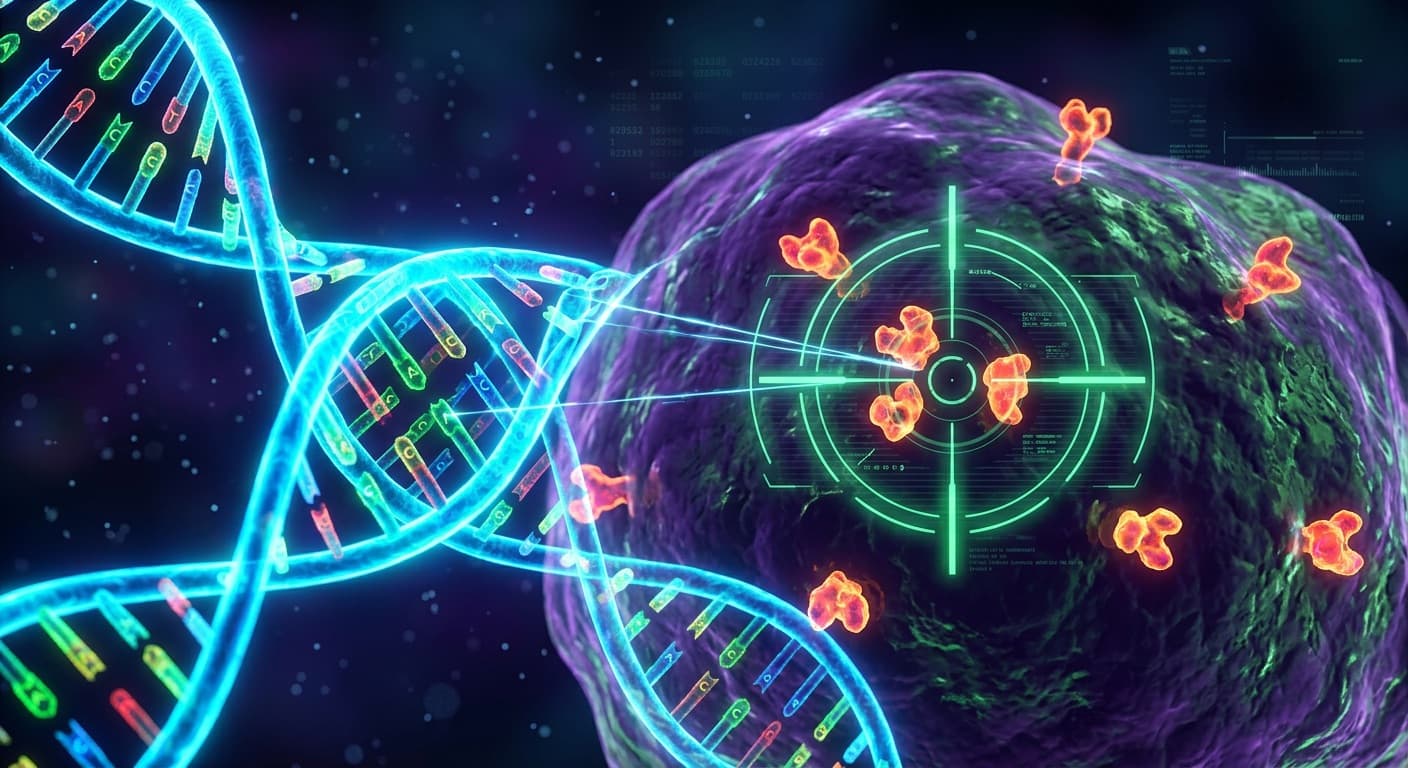
Targeted DNA and cancer-cell visualization
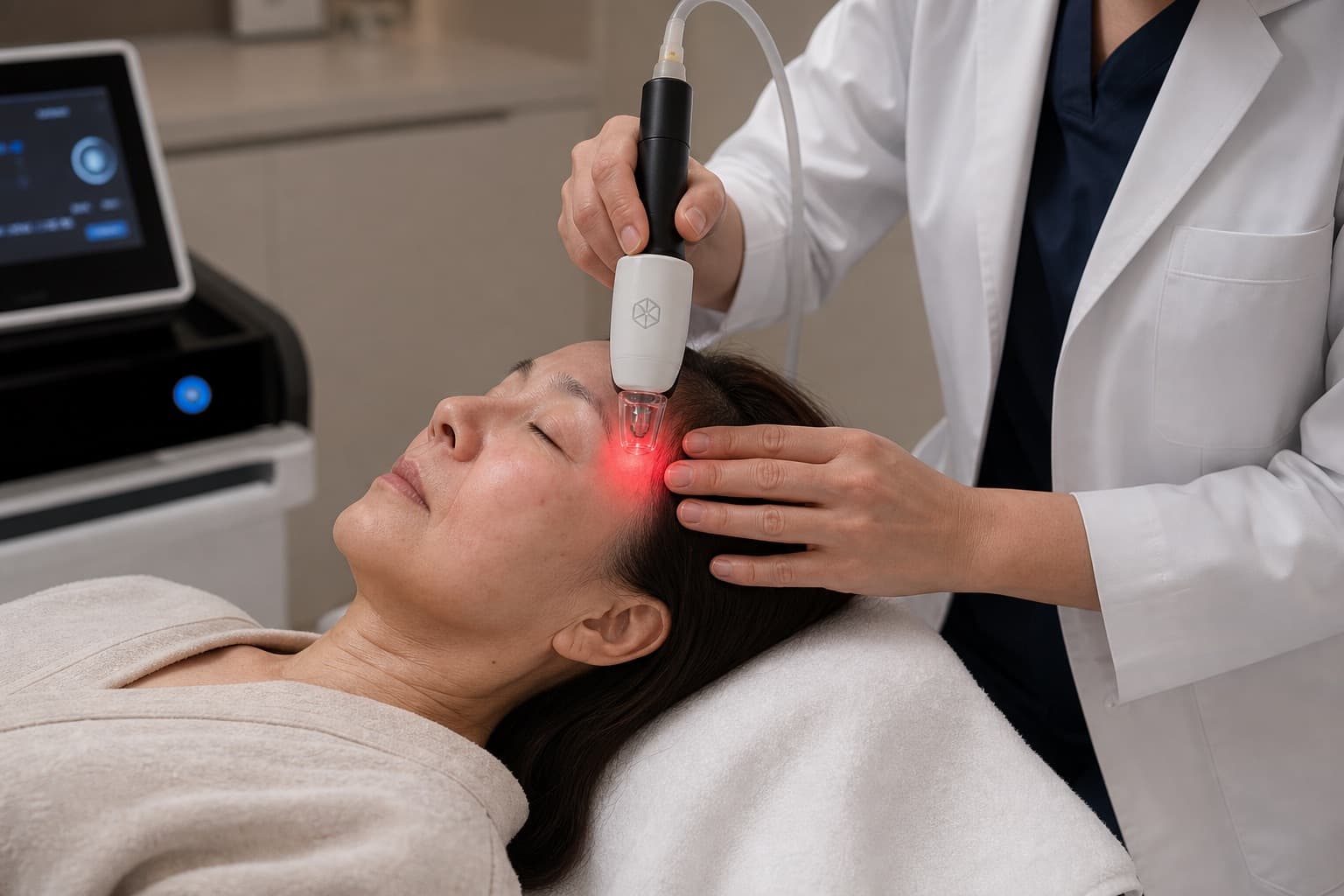
Clinical light-based therapy procedure

IR-783 Photoimmunotherapy

Combines a targeted antibody with a light-sensitive molecule; when exposed to specific near-infrared light, it destroys targeted cancer cells.

Cancer Glycolysis Blockade

Metabolic therapy aiming to starve cancer cells by blocking their primary energy pathway, making them vulnerable.

High Molecular Weight SMA CDDP

A targeted delivery system for Cisplatin designed to accumulate specifically in tumor tissues, reducing systemic toxicity.

Sonodynamic Therapy (SDT)

An innovative, non-invasive treatment that combines non-toxic sensitizing agents with low-intensity ultrasound waves. Because ultrasound can pass safely through deep tissues, SDT is used to target deep-seated tumors and difficult-to-reach metastatic lesions.

Tumor Treating Fields (TTFields) Therapy

A non-invasive regional therapy using low-intensity, intermediate-frequency alternating electric fields delivered through skin-applied transducer arrays. TTFields disrupt mitosis in rapidly dividing cancer cells and provide a drug-free addition to standard care for aggressive solid tumors.

Platelet Concentrated Plasma (PCP)

Utilizes growth factors from the patient’s own platelets, sometimes used in supportive care or specific targeted protocols.

Treatment environment

Synergistic supportive therapies

Gentle supportive therapies designed to work alongside your main immune or targeted treatment.

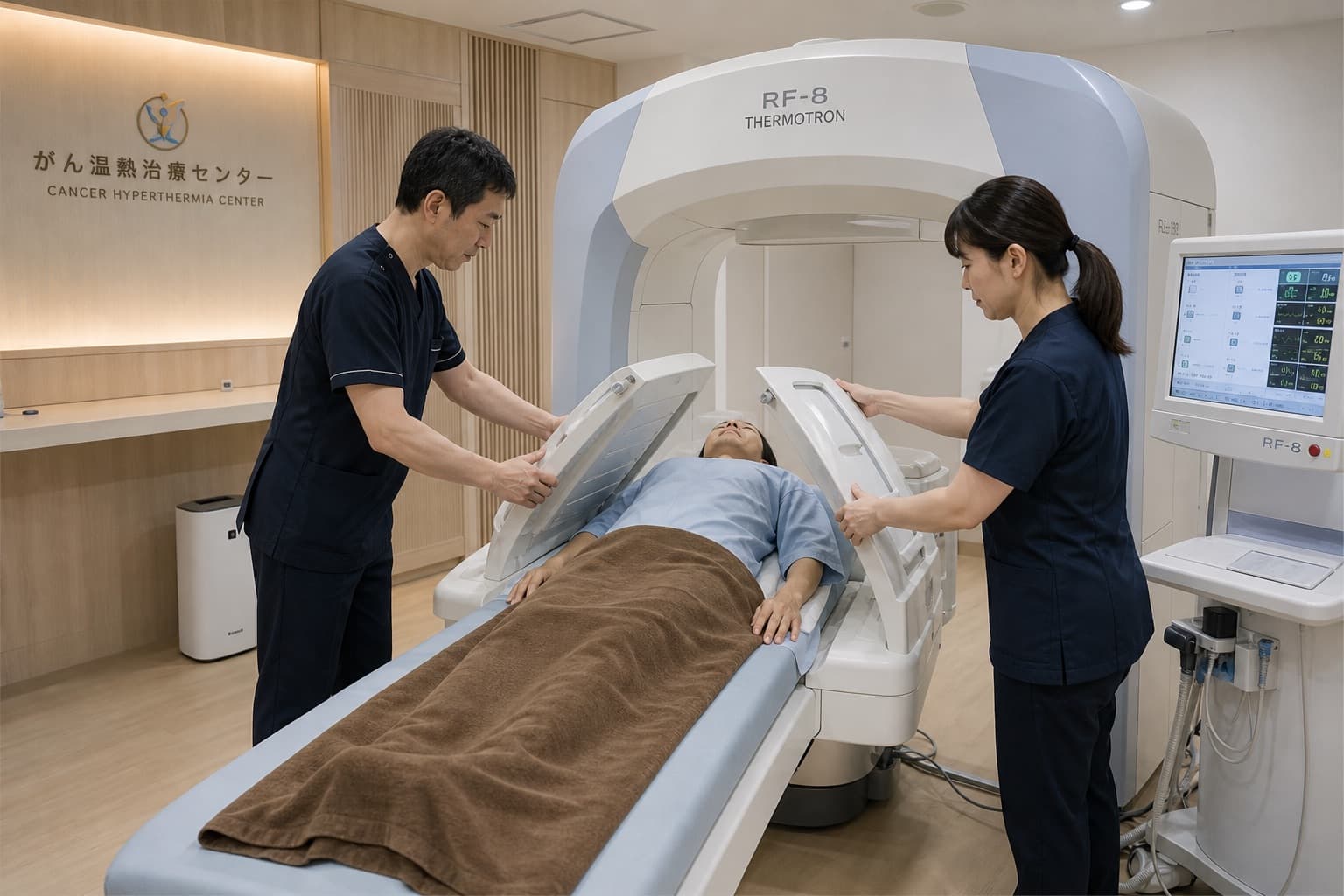
Hyperthermia treatment room with medical staff
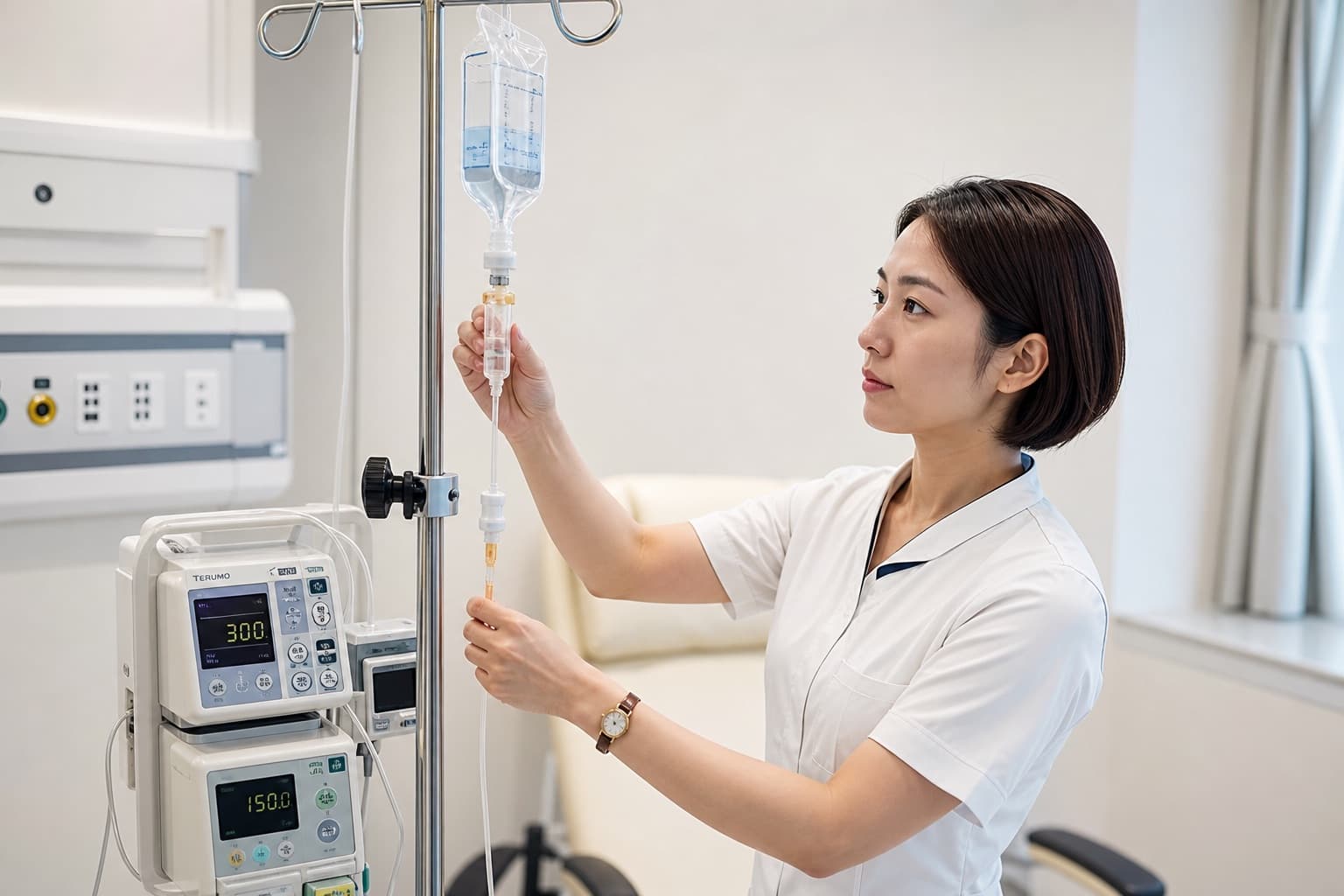
Nurse preparing an intravenous infusion line

Oncological Hyperthermia

Uses controlled heat to damage cancer cells and sensitize them to other treatments by increasing blood flow to the tumor.

Synergetic Thermal Therapy

Advanced hyperthermia calibrated to work in tandem with immunological treatments, aiming to expose tumor antigens more effectively.

High-concentration Vitamin C

Intravenous administration of high-dose Vitamin C, generating hydrogen peroxide in extracellular space and acting selectively toxic to cancer cells.

Hydrogen Inhalation Therapy

Inhalation of molecular hydrogen gas, used to reduce oxidative stress and potentially mitigate side effects of other intense therapies.

Medical Disclaimer & Information Notice

This website is for educational and informational purposes only and does not constitute medical advice, diagnosis, or treatment. All clinical evaluations, eligibility determinations, and medical decisions are made solely by independent, licensed physicians in Japan. To request a formal administrative review of your case viability, please proceed to our case assessment.

Specialist performing cellular laboratory work in a biosafety cabinet
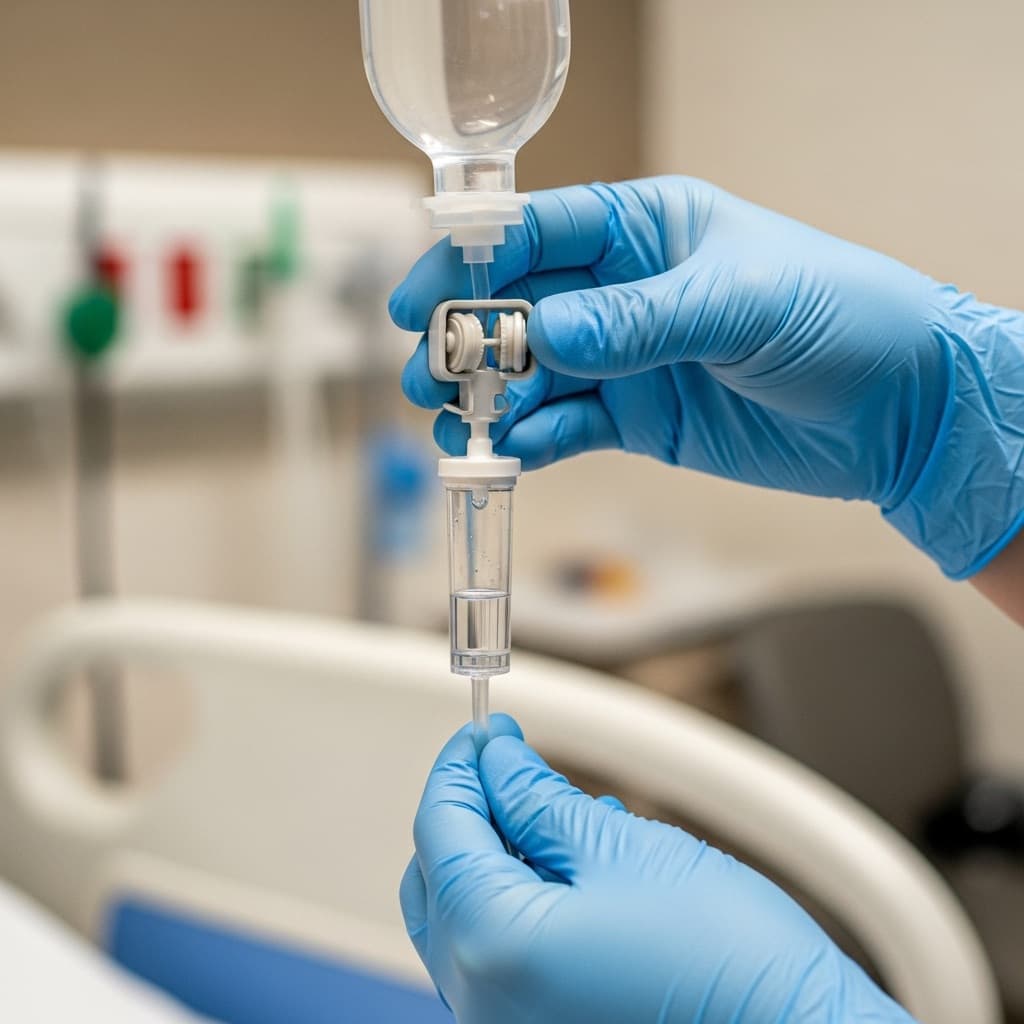
Medical professional preparing an intravenous line
From laboratory
to clinical context
Specialized care pathways

Why Japan for immunotherapy?

Japan has long been at the forefront of immunological research and regulatory pathways that allow for the clinical application of innovative cell therapies and vaccines.

Our partner network consists of specialized institutions that utilize multi-modal approaches—combining targeted vaccines, activated immune cells, and supportive therapies—to create a hostile environment for cancer while preserving patient quality of life.

1

Advanced protocols

Access to therapies and specialized protocols not widely available globally.

2

Personalized care

Treatment planning tailored to the individual patient and specific molecular profile.

3

Synergistic approach

Multi-modal strategies combine immune-cell, vaccine, targeted and supportive approaches.

From assessment to follow-up

Your journey with us

From initial consultation to post-treatment follow-up, our coordination team handles the medical logistics so you can focus on your care.

01

Case Assessment & Data Collection

We collect your comprehensive medical history, current condition details, recent scans, and pathology reports securely. This forms the foundation for evaluating treatment eligibility.

02

Expert Doctor Assignment

Based on your specific cancer profile, we assign your case to a specialized physician within our Japanese clinic network who has expertise in the most relevant modalities.

03

Tele-Consultation

We organize and moderate a video consultation between you and the assigned Japanese doctor to discuss your case, ask questions, and explore potential treatment avenues.

04

Treatment Plan & Itinerary

Following the consultation, you receive a formal proposed treatment plan from the doctor outlining therapies, timeline, and associated medical costs.

05

Travel & Treatment Logistics

Once you approve the plan, our team assists with travel to Japan, clinic appointments, and smooth transitions throughout your stay.

06

Post-Treatment Follow-up

We maintain communication after treatment to monitor follow-up observations, convey test results to the clinic, and discuss any required future courses.

Frequently asked questions

We grouped the most common questions into a quick-reference format so patients and families can scan the basics, understand treatment planning, and see what logistics look like before reaching out.

Why Patients Consider Specialized Care in Japan

What unique regulatory framework allows Japan to offer advanced medical options for oncology and immunology patients?

Japan operates under a highly developed healthcare system regulated by the Ministry of Health, Labour and Welfare (MHLW) and the Pharmaceuticals and Medical Devices Agency (PMDA). This system includes special legal pathways — such as Advanced Medical Care (Senshin Iryo) and conditional approval frameworks — that allow licensed institutions to make newer medical options available under defined safeguards. Our role is to review the patient's intake information and diagnostic history, organize an appropriate referral path, and help connect the case to a licensed Japanese hospital or specialist clinic that is suited to review it further.

Why use medical coordination services to access treatments in Japan?

Most Japanese specialized clinics do not accept international patients directly. JapanMedAssist bridges this gap by acting as your official administrative coordinator. Here is how we help you successfully secure treatment:

  • Overcoming language barriers: Japanese medical facilities communicate exclusively in Japanese. We handle all official correspondence and provide professional document translation services for your records.
  • Complex record preparation: clinics require strict, specific health record formats and preliminary screening protocols. We organize your medical history to meet precise Japanese standards.
  • Multi-clinic network: treatment protocols vary widely, and clinics frequently decline cases. We leverage established relationships with multiple facilities to find the best match for your specific diagnosis.
  • Expedited registration: Japanese oncology centers can be overwhelmed with inquiries. We present your case as a "ready-to-review" medical case, bypassing administrative delays to fast-track your intake.
  • On-site interpretation support: to ensure safety and clear communication during your medical appointments, we provide in-person interpretation services at the clinic when necessary.

About Consultations and Second Opinions

Do I need an online consultation?

As clinics offering advanced immunotherapies generally operate on a strict reservation-only system, online consultations are necessary for doctors to evaluate your condition, answer your questions about proposed therapies, and plan the appropriate treatment. We will schedule consultation (conducted via Zoom or Google Meet) at a timeslot that is appropriate for both the patient and the doctor, considering timezone differences.

What documents should I provide before my first online consultation?

To accurately assess your condition, doctors prefer to review as much medical information as possible. If available, please provide:

  • Recent imaging scans (CT, MRI, PET-CT, X-rays).
  • Blood test data and pathology reports.
  • A medical summary, treatment history and/or proposed treatment plan from your current oncologist.
  • A list of current medications.

Important: We understand, however, that gathering medical records and lab results can take a significant amount of valuable time. If your documents are not ready yet, providing a comprehensive description of your medical history is sufficient for the initial consultation. To expedite your care, we can arrange all necessary imaging, blood tests, and lab work in Japan prior to starting your treatment. Conducting both pre- and post-treatment testing at the same Japanese facilities also ensures a more accurate comparison when evaluating your treatment outcomes.

Preparing for a Clinical Discussion

How should I prepare my questions?

If a treatment plan is available, review it before the consultation. Write a short list covering your main concerns, current care, timing, and what you hope to understand from the consultation.

What should I ask a clinician before making a decision?

Ask about the purpose of the proposed service, available evidence, risks, alternatives, costs, visit requirements, and follow-up responsibilities.

Records and Information

How are my records shared?

You can upload existing health summaries directly into our secure, encrypted patient workspace. These files are shared safely only with authorized personnel involved in your administrative care coordination. We can also assist with obtaining records from your current care team and securely transferring them to the clinic in Japan.

Do my records need to be translated?

Documentation guidelines depend on the chosen facility. Submit the available original language versions first, and we will take care of any necessary translation coordination based on their requirements.

Clinic Review and Next Steps

Who reviews my request?

Our coordinator first checks the request for administrative completeness. An independent clinic then decides whether it can review the case.

How long does review take?

Most requests with complete documentation are processed by us within 1-2 working days, and Japanese clinics typically review cases within the same week. However, timing can vary based on the clinic’s schedule and the complexity of the case. We attempt to find a clinic that can review the case as quickly as possible. A virtual second opinion or consultation is typically scheduled within 1 to 7 business days following clinic acceptance, depending on physician availability.

Understanding the Treatment Approach

What does Japan Medical Assist do?

Japan Medical Assist specializes in non-clinical Japan medical travel support. Our administrative scope includes secure records management, doctor appointment scheduling, professional interpreter coordination, and travel planning for confirmed medical itineraries.

Who provides clinical advice?

Only licensed clinicians at independent clinics or hospitals provide diagnoses, clinical advice, eligibility decisions, and care recommendations.

Types of Therapies Explained

What is the difference between the Dendritic Cell (DC) Vaccine and Activated NK-Cell Therapy?
  • Dendritic Cell (DC) Vaccine: This therapy activates your acquired (adaptive) immunity. It acts like a sniper, using specific cancer markers (antigens) to educate the immune system to recognize, memorize, and specifically attack those cancer cells.
  • Activated NK-Cell Therapy: This therapy activates your innate immunity. Natural Killer cells are multiplied and activated in a lab to broadly attack abnormal cells, specifically targeting cancer cells or virus-infected cells that try to hide their markers from the adaptive immune system.
Can the vaccine help prevent cancer recurrence or metastasis?

Yes. Because the DC vaccine helps the immune system "memorize" the cancer's profile (much like a standard vaccine memorizes a virus), it is considered highly beneficial for preventing metastasis and relapse. It targets microscopic cancer cells that may remain in the body after surgery.

Integrative Local Therapies

What is Hyperthermia (Heat Therapy) and how does it target cancer?
  • Because cancer cells cannot dilate blood vessels properly, they retain heat and reach much higher temperatures than normal cells when exposed to thermal energy.
  • At temperatures of 42.5°C and above, cell death occurs; at 43°C, cancer cell viability drops below 1/10,000 within 200 minutes.
  • Heating the tumor safely with an 8 MHz high-frequency device locally warms the tissue to 39-41°C, which activates immune cells (like macrophages and NK cells) and improves the uptake of anticancer drugs into the tumor.
What is Immunogenic Cell Death (ICD) Induction Therapy?
  • When cancer cells die from targeted treatments (like radiation therapy or specific drugs), they release "danger signals" such as DAMPs.
  • These signals naturally activate dendritic cells, triggering a powerful chain reaction that wakes up the immune system to recognize and attack the cancer systemically.

Samples, Testing, and Materials

Is a biopsy enough, or is surgery preferred?

Complete or partial removal (resection) of the tumor is highly preferred over a simple needle biopsy. Surgery helps extend the patient's lifespan and allows for the collection of a sufficient amount of tumor tissue (usually 2 to 5 grams) needed to create the personalized cancer vaccine. If surgery is not possible, a large core needle biopsy can be considered, but it may not provide enough tissue for optimal vaccine production. In cases where no tumor tissue is available, the clinic can use synthesized peptides to create a multivalent vaccine, though this is generally less effective than using the patient's own tumor antigens.

Can dead tumor tissue be used to make the vaccine?

Yes. Preserved (paraffin-embedded) tumor blocks containing dead cancer cells can be utilized. When injected, these dead cells express irritating molecules that provoke and "wake up" the immune system, training it to target the specific biology of your tumor.

Logistics, Travel, and Hospitalization

When should I book travel?

We advise booking travel only after your clinic schedule is finalized and you have reviewed all service fees and travel requirements. On-site appointments are typically scheduled within 1 to 3 weeks post-consultation. Once your schedule is confirmed, we can assist with travel arrangements and provide guidance on accommodations near the clinic.

Is hospitalization required for this treatment?

No, these treatments are strictly outpatient, and the clinics generally do not have inpatient facilities. We can recommend or assist with booking accommodations in clinic's vicinity if needed. However, if a patient is traveling from afar or their overall health condition makes daily commuting difficult, the clinic can introduce you to affiliated hospitals where you can stay.

Risks, Costs, and Insurance

When will I receive fee information?

All applicable consultation rates and coordinator fees are disclosed upfront. Because advanced care plans are highly personalized, formal cost estimates are issued only after the clinic reviews the file and provides specific recommendations. Once you receive the clinic's recommendations, we will provide a detailed breakdown of all related fees, including consultation charges, administrative coordination costs, and any anticipated expenses for recommended services. This allows you to make an informed decision about proceeding with the proposed care plan.

Who is NOT a candidate for this treatment?

Patients may not be eligible if they are taking high-dose steroids, are on strong immunosuppressive therapy, have autoimmune diseases, have a history of organ transplants, or carry viruses that grow within immune cells (such as HIV or HTLV). Additionally, patients whose overall health is too poor (e.g., unable to eat, walk, or travel) might have severely impaired immune systems, making it difficult to achieve the expected treatment outcome.

Follow-up and Measuring Progress

Does Japan Medical Assist evaluate clinical results?

Clinical follow-up instructions will originate from licensed medical professionals, and the independent Japanese facility providing your care will remain responsible for tracking progress and issuing medical recommendations.

How do I request help after a visit or plan a follow-up visit?

We will stay in touch with you before, during, and after your visit. Please use the secure client portal or contact your coordinator directly for ongoing account management, document updates, or scheduling help. Our team remains available to facilitate follow-up communication with clinics, bookings, or secondary consultations.

Let’s look at your options in Japan

Send us your diagnosis and recent medical records. A coordinator will review your case, explain what may be possible at our partner clinics, and guide you through every step — free of charge and with no obligation.

No treatment is promised or guaranteed. Clinical suitability can only be determined by a licensed physician after reviewing the relevant medical information.